Why Studios Are Betting Big on Midnight Movie Events (And What It Means for Your Next Night Out)
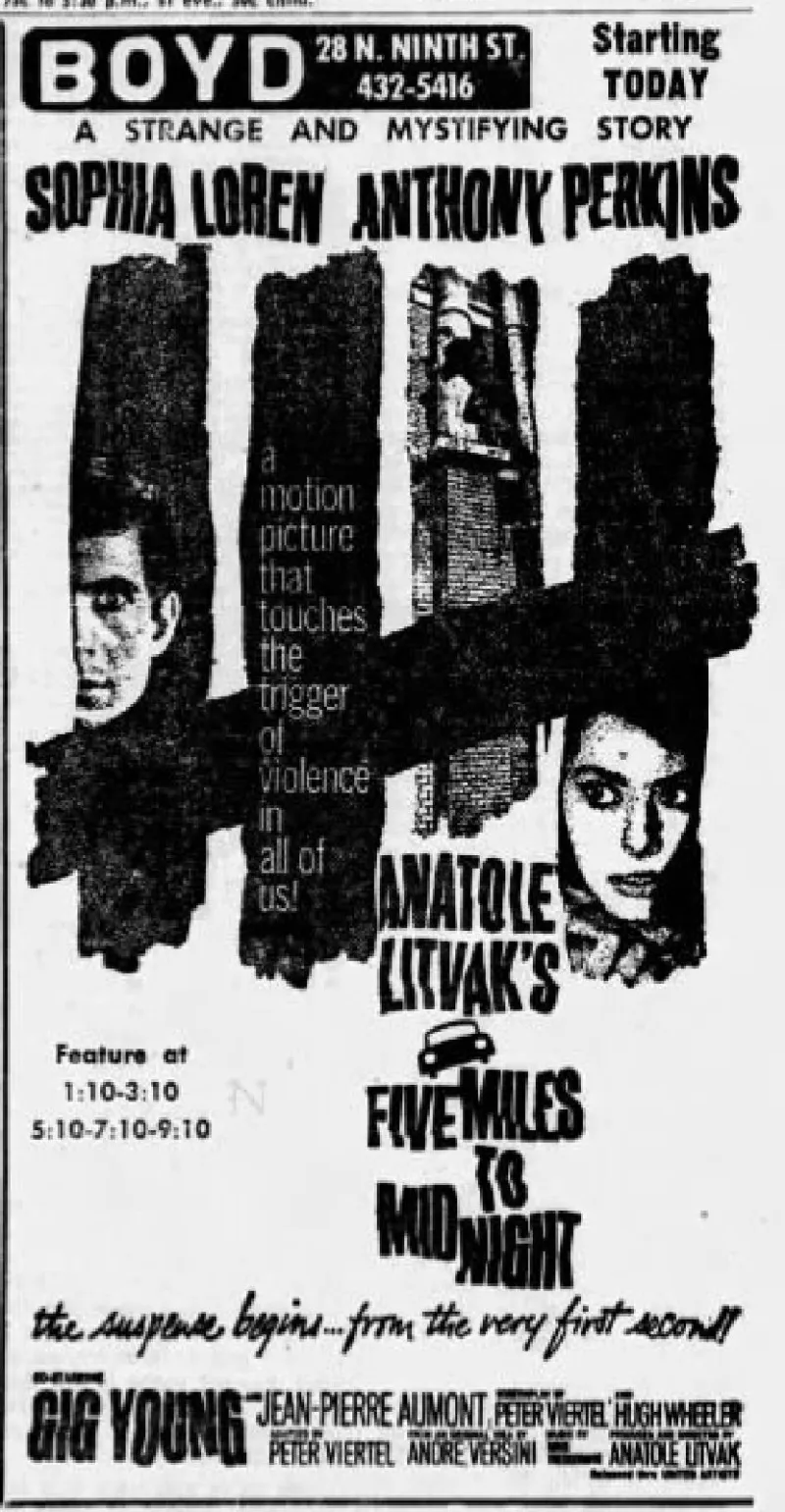
Photo: Self Scanned, Public domain, via Wikimedia Commons
There's something about standing in a line outside a movie theater at 11:30 PM that feels almost rebellious. You're tired. Your phone says it's almost midnight. And yet you're buzzing — coffee in hand, maybe in costume, definitely surrounded by strangers who are weirdly becoming your people. That feeling? Studios have figured out it's worth a lot of money.
Midnight premiere events are back, and they're bigger and more deliberately engineered than ever before. What used to be a scrappy tradition born out of Harry Potter mania and The Dark Knight hype has quietly evolved into a full-blown marketing weapon — one that Hollywood is deploying with a lot more intention heading into a crowded theatrical landscape.
From Cult Tradition to Corporate Strategy
The midnight screening wasn't always a studio play. For years, it lived in the margins — horror fans gathering for Rocky Horror, sci-fi devotees showing up in Jedi robes for Star Wars re-releases, comic book readers refusing to wait until morning for the next Marvel event. Theaters tolerated it. Studios mostly ignored it.
That changed around 2008, when The Dark Knight turned its midnight run into a cultural flashpoint. The numbers were impossible to ignore: fans who'd been online for months, building hype, showed up in massive numbers — and they talked. Loudly. On blogs, on early Twitter, in offices the next morning. The midnight crowd became free marketing, and Hollywood took note.
Fast-forward to today, and what was once a grassroots phenomenon has been fully absorbed into the studio playbook. Advance screenings, fan-event premieres, "First Look" nights — they go by different names depending on the studio, but the mechanics are the same: get your most passionate audience into seats before anyone else, let them generate the first wave of word-of-mouth, and use that momentum to carry the opening weekend.
The Psychology of Going First
There's real behavioral science behind why this works. Being among the first to experience something — especially something culturally significant — carries a social currency that studios are essentially handing out for free. Psychologists call it "anticipatory consumption," and it's the same reason people camp outside sneaker stores and refresh Spotify at midnight on a Friday.
Midnight release culture didn't start with movies. The music industry cracked this code years ago, shifting album drops to 12:01 AM Eastern specifically because early access felt like a reward. Films borrowed the logic, and it stuck — because cinema, unlike a playlist, requires a shared physical space. That communal element amplifies everything.
When you laugh at a joke in a packed theater at 12:30 AM, the laugh is louder. When a plot twist lands, the gasps feel seismic. The experience becomes a memory you attach your identity to — I was there opening night — and that identity is something people post about, talk about, and return to.
What Theater Owners Actually Think
For multiplex operators, midnight events are a complicated proposition. The economics aren't always clean. Staffing a full theater crew past midnight costs more, concession revenue per head tends to drop (people are tired, not hungry), and the audience skews heavily toward pre-sold tickets, meaning walk-up business is minimal.
But the intangible upside is real. Theaters that host high-profile midnight events report stronger-than-average weekend holds — meaning audiences keep coming back across Friday, Saturday, and Sunday partly because the buzz generated by that opening crowd doesn't dissipate quickly. A sold-out midnight show is also a social media event in itself. Photos of packed lobbies, costumed fans, and countdown clocks flood Instagram and TikTok before the credits even roll.
Some independent theater owners have taken this further, building entire event packages around premieres — partnering with local restaurants for pre-show dinners, hosting trivia nights, bringing in themed merchandise. For smaller venues, a midnight event isn't just a screening; it's a reason to exist in an ecosystem that streaming is constantly pressuring.
The Streaming Wildcard
Here's where things get complicated. Day-and-date releases — where a film drops simultaneously in theaters and on a streaming platform — nearly killed the midnight premiere during the pandemic years. Why drive across town at 11 PM when you could watch from your couch at the same time?
Studios learned quickly that the answer mattered. Films that leaned into theatrical exclusivity, even for a few weeks, consistently outperformed same-day streaming counterparts in long-term cultural staying power. Top Gun: Maverick didn't do $1.4 billion by being available at home on night one. Its theatrical run became an event in itself — and midnight screenings were part of that story.
The current consensus in Hollywood seems to be that streaming and theatrical aren't enemies, but sequencing matters enormously. A strong midnight opening creates a cultural moment that streaming can then capitalize on weeks later. The people who missed the theater run feel like they're catching up on something real — not just watching a movie, but joining a conversation that already happened without them.
Who Actually Shows Up?
The midnight crowd is a specific demographic, and studios know exactly who they are. They're younger (18-34 skews heavily), highly online, and disproportionately influential in shaping early critical conversation on social media. They're the people whose letterboxd reviews get screenshot and shared. They're the ones whose TikTok reactions go viral before sunrise.
Studios increasingly treat them as a launch platform rather than just an audience segment. Exclusive merchandise, limited-edition programs, post-screening Q&As with cast members (sometimes via live stream from a different city) — all of it is designed to make the midnight crowd feel like insiders, because insiders talk.
Some studios have gone further, partnering with fan communities directly to organize events, offering group-buy ticket discounts, or working with Fandango and AMC to create "fan first" screening designations that unlock perks for early buyers. The line between marketing and fan service has gotten genuinely blurry, and that's kind of the point.
Does It Actually Move the Needle?
The honest answer is: yes, but not always in the ways you'd expect. Midnight screenings rarely account for a huge slice of total box office gross — we're typically talking single-digit percentages of opening weekend revenue. The direct financial return isn't the main argument.
The real value is momentum. A strong midnight number — even a modest one — gets reported by trades like Variety and The Hollywood Reporter by 3 AM, feeding the narrative that a film is a phenomenon before most of America has woken up. That narrative shapes how casual moviegoers decide what to see on Saturday afternoon. Social proof is a powerful thing, and midnight screenings are essentially a machine for generating it at scale.
The City That Never Sleeps Knows the Drill
For New York audiences, this is all pretty familiar territory. The city's theater culture has always had a late-night edge — second-run midnight screenings at places like the IFC Center, cult classics on rotation at Metrograph, packed houses for foreign film premieres in neighborhoods that don't really wind down before 2 AM anyway.
But what's interesting now is that the midnight phenomenon has spread well beyond coastal cities. AMC locations in suburban Ohio and multiplex chains in Texas are running the same playbook, drawing crowds that rival anything you'd see in Manhattan. The appetite for communal cinema experiences — real ones, with strangers and shared reactions and the electricity of being first — turns out to be pretty universal.
Studios are betting that feeling doesn't go out of style. Based on the numbers, they're probably right.