Coast to Coast and Everything In Between: What America's Biggest Cities Are Actually Streaming
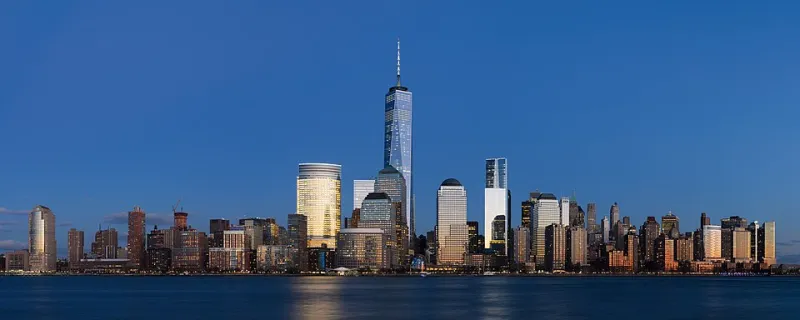
Photo: King of Hearts, CC BY-SA 3.0, via Wikimedia Commons
We live in the age of the algorithm, where a recommendation engine theoretically serves you the same content whether you're in a Manhattan walk-up or a bungalow in Silver Lake. The streaming platforms want you to believe geography is irrelevant — that great content finds its audience regardless of zip code. But the data tells a messier, more interesting story.
Trending charts, search behavior, social media chatter, and box office performance in major metros paint a portrait of a country that still watches film through a distinctly local lens. New York, Los Angeles, and Chicago — three cities that collectively shape American cultural conversation more than almost anywhere else — are streaming in ways that reflect their personalities, their histories, and their complicated relationships with cinema itself.
New York: The Indie Drama Capital of Streaming
New York has always had a complicated relationship with Hollywood. The city that gave us the New Hollywood movement, that nurtured Scorsese and Spike Lee and Cassavetes, has never been entirely comfortable with the blockbuster machine. And that cultural DNA shows up in streaming behavior.
Analysis of trending content and search patterns in the New York metro consistently skews toward character-driven dramas, international cinema, and films with awards pedigree. When A24 drops something new, New York is reliably first to the party. Films like Past Lives, Aftersun, and The Worst Person in the World generated outsized search and social engagement in the city relative to their national performance.
"New York audiences are hungry for specificity," says Elena Vasquez, a film critic based in the East Village who contributes to several independent publications. "They're not looking for a movie that could be set anywhere. They want a movie that feels like it was made for someone paying attention. That's why international cinema does so well here — South Korean films, French films, Italian films. New Yorkers recognize that kind of city-specific texture."
This also tracks with the city's theater landscape. Venues like Film Forum, the Metrograph, and Angelika Film Center — all dedicated to independent and art-house programming — continue to draw consistent audiences in a city where every square foot is a financial argument against keeping a small theater open. That theatrical culture feeds directly into streaming habits. People who seek out the Metrograph on a Saturday are the same people pulling up MUBI or the Criterion Channel on a Tuesday night.
Los Angeles: The Genre Film Paradox
You'd expect the city that makes the movies to watch them with the most sophisticated, analytical eye. And in some ways, LA does. Streaming data from the Los Angeles metro shows strong engagement with film history content, documentaries about the industry, and prestige television. Makes sense for a company town.
But the surprise is how aggressively Los Angeles embraces genre cinema — horror, action, and science fiction perform exceptionally well in LA streaming data, often outpacing their national averages. When a new slasher drops on Shudder or a mid-budget action film lands on Netflix, Los Angeles is frequently among the top markets by engagement.
The theory, according to Marcus Bell, a theater owner in Los Feliz who operates a single-screen venue focused on genre programming, is simple: proximity to the industry breeds appreciation for craft, not contempt for it.
"People here know how hard it is to pull off a good practical effect or a well-choreographed fight sequence," Bell told us. "They're not watching a horror movie ironically. They're watching it because they know someone who worked on it, or they've read about how it was made. Genre film gets a lot more respect in LA than the coasts give it credit for."
There's also the movie theater culture angle. LA has some of the best specialty cinemas in the country for genre programming — the New Beverly, the Alamo Drafthouse in Burbank, the Egyptian. Audiences cultivated in those spaces bring a genuine genre literacy to their streaming queues.
Chicago: The Crime Thriller Obsession Nobody Predicted
If New York owns indie drama and LA claims genre, Chicago has quietly staked out its own territory: the prestige crime thriller. Films and series in the tradition of Heat, Sicario, No Country for Old Men, and Prisoners consistently trend in Chicago streaming data at rates that outpace both coasts.
It's not hard to draw a line between the city's cultural identity and this viewing preference. Chicago has a deep literary and cinematic tradition rooted in crime fiction — from the hardboiled novels of the early 20th century to the city's own filmography, which includes The Fugitive, Ferris Bueller (technically a caper), and the entire Chicago film universe. The city knows crime narratives. It has complicated feelings about them. And it keeps watching them.
"There's something about a well-made crime film that resonates with how Chicagoans think about their city," says Daniel Park, a film programmer at a Chicago arts organization. "It's not wallowing in it — it's more like... the city has a serious relationship with those stories. They want them done right. They have low tolerance for the sanitized version."
Chicago also shows notably strong streaming numbers for documentary content, particularly social justice and investigative documentaries. The city's tradition of community organizing and journalism — think the Chicago Tribune, the city's history with investigative reporting — seems to translate into an appetite for non-fiction cinema that digs into systems and institutions.
What the Algorithm Misses
Platforms like Netflix and Max spend enormous resources building recommendation systems designed to predict individual taste. And they're good at it — genuinely impressive at the micro level. But what this regional data suggests is that individual taste doesn't form in a vacuum. It forms in a city, in a cultural context, shaped by the theaters available to you, the critics you read, the conversations you have.
The algorithm knows you watched a thriller last weekend. It doesn't know that you grew up going to the Music Box Theatre in Chicago, or that your first date was at the Metrograph, or that you've been to the New Beverly enough times to have a favorite seat. Those experiences create a viewing identity that's more layered than any recommendation engine can fully map.
"Streaming platforms flatten geography by design," Elena Vasquez notes. "But audiences are actively resisting that flattening by seeking out content that reflects where they actually are."
The Bigger Picture
What this data ultimately reveals is that American cinema culture isn't homogenizing as fast as the platforms would like. The same technological infrastructure — the same apps, the same subscription models, the same interface — is being used by three cities to watch three genuinely different things, for three genuinely different reasons.
That's not a failure of the algorithm. That's a testament to the fact that cinema is still, at its core, a local experience — even when it's delivered through a screen in your living room. Your city shapes your taste. And your taste, aggregated across millions of viewers, shapes what gets made next.
So the next time you're scrolling through your queue wondering what to watch, maybe the more interesting question isn't what the platform recommends. It's what your city is watching tonight.