Drop Time Decoded: What the Clock Says About a Studio's Confidence in Its Own Movie

Photo: Marty Aligata, CC BY-SA 4.0, via Wikimedia Commons
There's a moment every serious movie fan knows well. You're refreshing a streaming app at 11:58 PM, waiting for a film to appear, and when it finally does — boom, there it is. But have you ever stopped to wonder why it dropped then? Why not noon? Why not 9 AM on a Tuesday when everyone's caffeinated and ready to engage?
The answer, it turns out, is rarely poetic. More often, it's a window into the soul of a studio's marketing department — and sometimes, it's a quiet admission that things didn't go quite as planned.
The Midnight Release Has Two Very Different Personalities
Let's get something clear upfront: not all late-night releases are created equal. There's a meaningful difference between a studio choosing a midnight drop as a prestige move and a studio defaulting to one because it's out of better options.
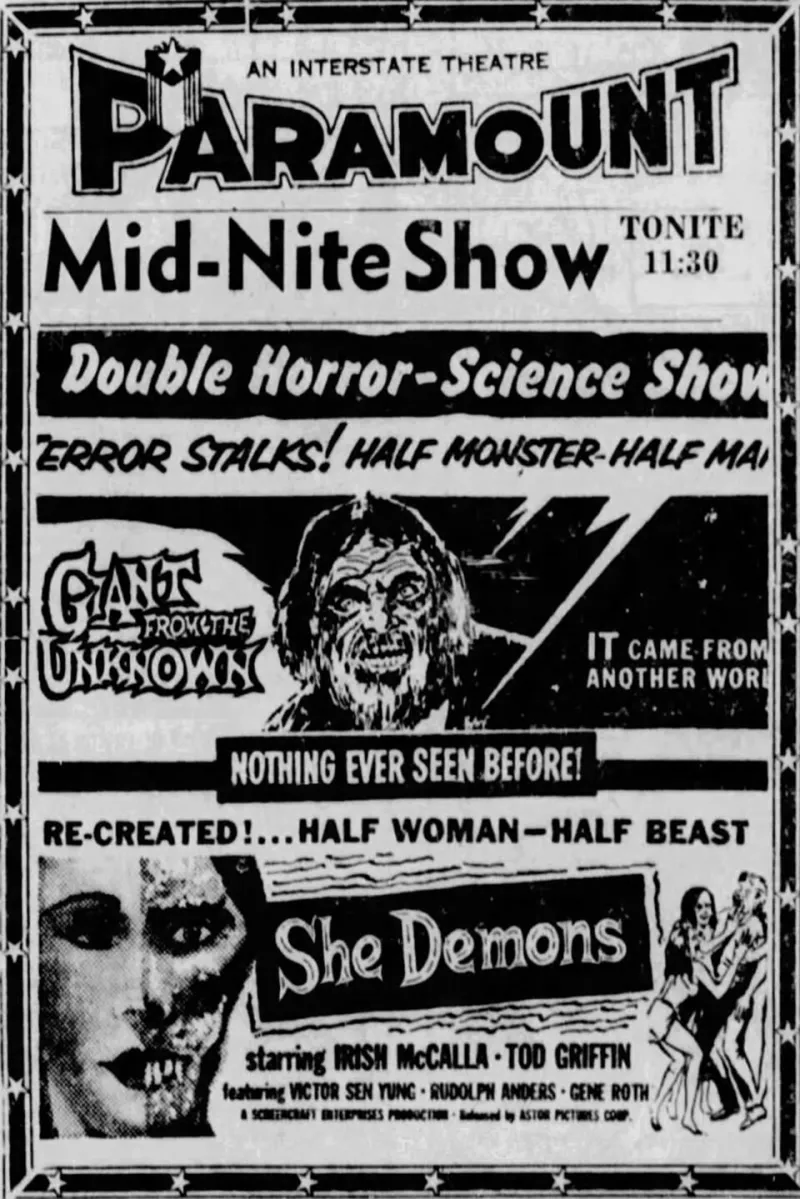
On the prestige side, you have the theatrical midnight premiere — a tradition that goes back decades and carries genuine cultural weight. When a major franchise installment hits screens at 12:01 AM on opening day, it's a flex. Studios do this when they know they have something audiences are already lined up around the block to see. The midnight screening is a reward for the faithful, a cultural event, and — crucially — a way to front-load box office numbers before Friday's official count even begins.
But then there's the other kind of midnight release. The streaming drop that lands at 11 PM Pacific on a random Thursday. The VOD release that appears on a platform with zero fanfare. The wide theatrical that quietly shuffles into multiplexes at 11:30 PM with no advance screenings and a press embargo that lifted, suspiciously, after tickets went on sale.
That second category? That's where things get interesting.
Reading the Room Through Release Schedules
Distribution executives — the people who actually decide when a film hits the market — are some of the most strategically minded people in Hollywood. They're not just picking dates off a calendar. They're reading competitor schedules, tracking social sentiment, monitoring presale data, and adjusting in real time.
When a studio buries a release in a late-night window with minimal promotional runway, it's often because the internal tracking data has already told them something uncomfortable. Test screenings went sideways. The social media campaign isn't generating the engagement they projected. A competing release is eating their lunch in the same demographic. Or — and this one stings — the film itself just isn't good enough to survive daylight scrutiny.
One distribution exec, speaking without attribution (because of course they were), put it bluntly: "When we're confident, we want as many eyes on opening weekend as possible. When we're not, we're managing the landing. A quiet drop is a controlled burn."
Controlled burn. That's a phrase that deserves to sit with you for a second.
The Streaming Platform Variable
The rise of streaming has added a genuinely new layer to this dynamic. Netflix, Max, Hulu, and the rest operate on entirely different logic than traditional theatrical distribution — and their drop times reflect that.
For streamers, a 12 AM ET release (which hits the West Coast at 9 PM the night before) is often the standard. It's designed to capture East Coast night owls and West Coast prime-time viewers simultaneously. That's smart, neutral scheduling.
But when a streamer pushes a film to 3 AM or releases it mid-week without any of the usual social media buildup — no "dropping Friday" posts, no countdown graphics, no talent doing press — that's a tell. Platforms track engagement obsessively, and a film that's quietly deposited into the library rather than launched with fanfare is usually one the platform itself has low expectations for.
Conversely, when a streamer schedules a global simultaneous premiere with a live social event and a dedicated landing page, you're looking at content the platform considers a tentpole. The timing is the marketing.
What Box Office Data Actually Shows
Looking at domestic box office performance over the past several years, a pattern emerges around theatrical midnight releases specifically. Films that open with midnight screenings and strong presale numbers tend to overperform their opening weekend projections. Films that don't offer midnight screenings — even for franchise entries that historically have — often signal that the studio is protecting against a poor Thursday-night read.
The Thursday night preview number is Hollywood's version of a canary in a coal mine. If a studio skips it entirely or limits it to a handful of markets, they're controlling the narrative before it can control them. A weak Thursday number, reported by trade outlets before Friday even begins, can tank a film's perceived momentum before most audiences have had a chance to form an opinion.
Studios know this. Which is why the decision to not do midnight screenings is sometimes the loudest signal of all.
The Counterintuitive Prestige Play
Here's where it gets genuinely complicated: some of the most critically acclaimed films of recent years have used unconventional release timing as an actual strategic advantage, not a retreat.
Smaller distributors and arthouse labels have learned that a quiet, targeted late-night release in select markets — paired with strong critical word of mouth — can build the kind of slow-burn buzz that a splashy wide release can't manufacture. The film finds its audience gradually, earns its reputation organically, and often outperforms its initial projections precisely because it wasn't oversold.
This is the midnight paradox in its purest form: the same clock that signals desperation for one studio signals deliberate restraint for another. Context is everything.
So What Should You Actually Do With This Information?
Next time a movie you're curious about drops at a weird hour with suspiciously little fanfare, pay attention to what else is happening around it. Is there press coverage? Are the people who made it doing interviews? Did the reviews land before or after tickets went on sale?
Those details, taken together, tell you more about a film's actual quality — and a studio's actual confidence — than any trailer ever could.
The clock doesn't lie. It just speaks in a language most audiences haven't been taught to read.
At 212Movie, we think that's worth changing.