From Rush Hour to Reel Time: The Hidden Psychology Behind Your Late-Night Movie Ritual
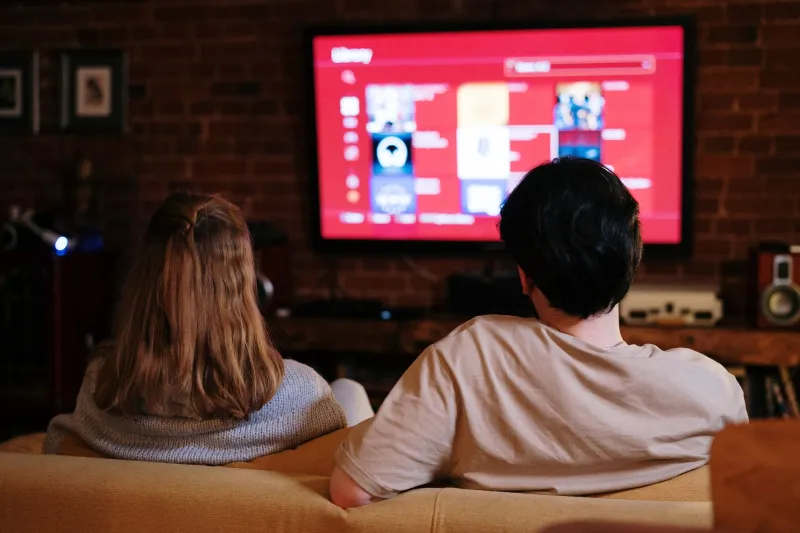
You've done it. Dragged yourself off the subway or out of the car, microwaved something that only vaguely resembles dinner, changed into whatever passes for comfortable, and finally — finally — hit play on something you've been meaning to watch all week. It's 11 PM. The apartment is quiet. The city outside is still humming.
And somehow, that movie hits you harder than you expected.
This isn't an accident. The gap between watching a film at 7 PM and watching one at 11 PM isn't just a matter of hours — it's a completely different psychological event. And once you understand what's actually happening in your brain during that window, you'll never think about your viewing habits the same way again.
The Mental State That Commuting Creates
Let's start with the commute itself, because it matters more than people realize. Whether you're packed into a New York City subway car or crawling down the 405 in Los Angeles, your commute is a decompression chamber. It's the transition zone between your work self and your home self — and it takes time to fully cross it.
Researchers who study cognitive load have found that the average American worker needs somewhere between 45 minutes and two hours after finishing work before their brain genuinely downshifts. That means someone who clocks out at 6 PM and gets home by 7 is, neurologically speaking, still partly at work. Their stress hormones are still elevated. Their prefrontal cortex — the part responsible for planning, judgment, and keeping emotional responses in check — is still running hot.
That 7 PM movie? You're watching it with your guard fully up. You're analyzing. You're distracted by the email you forgot to send. You're half-present.
By 11 PM, that's all gone. You've eaten. You've exhaled. Your nervous system has had time to settle. The film gets a version of you that's emotionally available in a way that just wasn't possible a few hours earlier.
Why Fatigue Is Actually a Feature, Not a Bug
Here's where it gets interesting. You'd think that being tired would make you a worse audience — less attentive, less engaged. And in some ways, that's true. You're not going to catch every plot detail at 11 PM that you would at 7.
But emotional resonance? That actually goes up.
When your critical brain is tired, it stops working overtime. The internal editor that spends a 7 PM viewing quietly poking holes in the screenplay or comparing the film to the book it's based on? That editor is exhausted by 11. What's left is a more direct pipeline to your emotional core. Sad scenes land harder. Tense sequences feel more urgent. Comedic timing — especially dry, understated humor — registers in a way it might not when your brain is fully alert and already three steps ahead of the joke.
This is why so many people report crying at movies late at night that they watched earlier and felt nothing. The film didn't change. You did.
How Studios Have Quietly Mapped This Window
The entertainment industry, for all its chaos, is not unaware of this phenomenon. The post-commute decompression window — roughly 9 PM to midnight for most working Americans — has become one of the most strategically valuable real estate slots in streaming.
Notice how major streaming platforms push their biggest emotional swings in that window? The prestige dramas, the slow-burn thrillers, the character studies that require you to feel rather than just follow? Those aren't landing on the homepage at 6 PM. They're positioned for the moment when the city quiets down and people are finally ready to be moved.
Theatrical releases operate on a similar logic. Studios that schedule premium screenings at 10 PM or later on opening weekends aren't just chasing the late-night crowd — they're chasing a specific emotional state. The audience in that 10:30 PM showing is, on average, more primed for a genuine cinematic experience than the 7 PM crowd. They've lived a full day. They brought it with them into the theater.
The 7 PM vs. 11 PM Audience Is Basically Two Different People
Think about what a 7 PM moviegoer looks like in practice. Maybe they rushed from the office. Maybe they grabbed fast food in the car. They might be checking their phone under the armrest because they're still connected to the day's obligations. Their nervous system hasn't caught up to the fact that work is over.
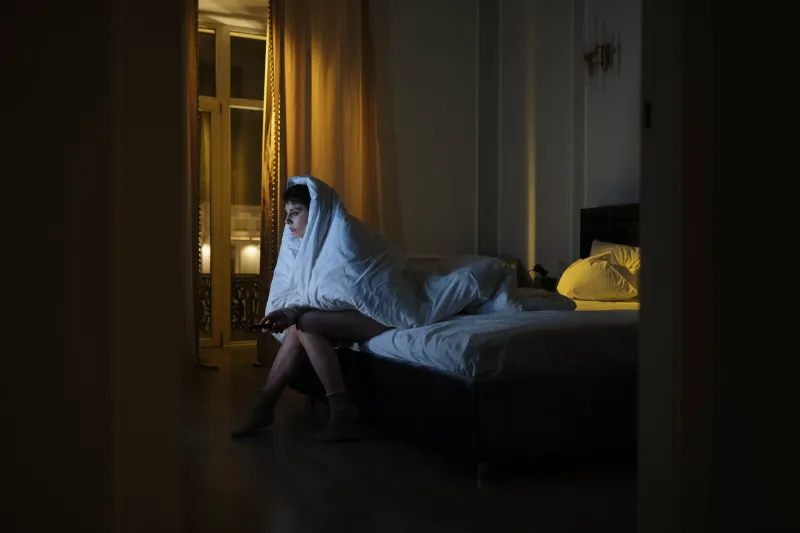
The 11 PM viewer? Different animal entirely. They've had time to process the day. The social obligations have wound down. There's no pressure to be anywhere tomorrow morning — or at least, that pressure feels abstract at 11 PM in a way it won't at 6 AM. They're not just watching a movie; they're retreating into one.
This is why certain genres perform disproportionately well in late-night viewing. Horror, obviously — the darkness and silence amplify everything. But also intimate dramas, road movies, anything that asks you to sit with a character's interior life for two hours. Those films need an audience that's willing to slow down. And slowing down is exactly what late-night viewers have already done.
The City That Never Sleeps Knows This Instinctively
There's a reason 212Movie exists, and it's not just because New York is a great backdrop for cinema. It's because this city operates on a schedule that most of America doesn't. The post-work decompression window here starts later, runs longer, and produces a specific kind of audience — one that's been fully marinated in the urban experience before they ever sit down in front of a screen.
But honestly? The same principle applies whether you're in Manhattan, Chicago, Houston, or a suburb of Atlanta. The commute effect is real everywhere. The psychological shift between evening and night viewing is universal. The only difference is timing.
What This Means for How You Watch
If you've got a film on your list that you genuinely want to feel — not just watch, but absorb — stop scheduling it for 7 PM. Give yourself the time. Let the day drain out of you first. Eat something. Decompress. Then sit down with it.
You'll be amazed what a difference a few hours makes. The movie isn't just a movie anymore. It's the first thing all day that's had your full, unguarded attention.
And in a city — or a life — that never really stops moving, that's not nothing. That's everything.