After Last Call: The Real Reason Movie Theaters Die at 10 PM — and What Hollywood Is Trying Next
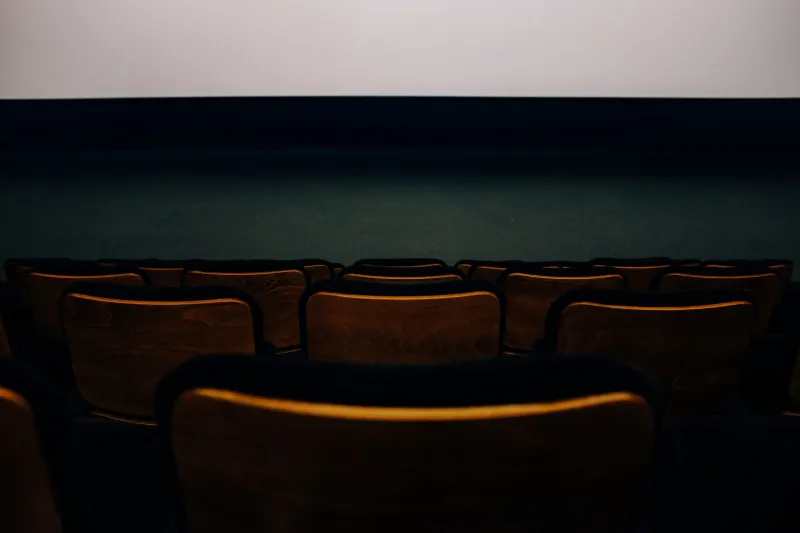
Walk into any AMC or Regal multiplex on a Tuesday night around 10:15 PM and you'll encounter something that feels almost cinematic in its own right: a vast, fluorescent-lit lobby, a bored attendant scrolling their phone, and roughly four people split across two auditoriums. The popcorn machine is still running. The screens are still flickering. But the audience? Gone.
This isn't just a vibe. It's a documented, measurable, increasingly urgent problem for an industry that already took a beating it hasn't fully recovered from. Late-night theater attendance — historically a reliable revenue stream and a cultural institution for night owls, shift workers, and anyone who just wanted the city to themselves for two hours — has been eroding for years. And the reasons go deeper than people simply preferring their couch.
The Numbers Don't Lie (Even When They're Uncomfortable)
According to data from the National Association of Theatre Owners, showtimes beginning after 9:30 PM account for a shrinking slice of overall weekly ticket sales, with the steepest drop concentrated in mid-week late-night slots. In major markets like New York, Los Angeles, and Chicago, the pattern holds with surprising consistency: attendance at 10 PM-plus screenings has declined roughly 30-40% compared to pre-pandemic baselines, even as overall weekend box office has shown partial recovery.
Regional variation is real, though. In cities like Houston and Phoenix — where driving culture dominates and late-night dining keeps people out longer — late-night multiplex traffic holds up somewhat better than in dense urban cores where competition from bars, live events, and yes, the couch, is most intense. But even in those markets, operators will tell you off the record that the last showing of the night is often more about contractual obligations with studios than any genuine expectation of profitability.
Theater operators in smaller markets have it even tougher. A single-screen or four-screen independent in a mid-sized Midwestern city simply can't justify keeping staff through a 10:30 PM showing of a mid-budget drama when streaming platforms are serving that exact film's audience directly to their living rooms at a fraction of the cost.
Streaming Didn't Kill the Late-Night Show. It Complicated It.
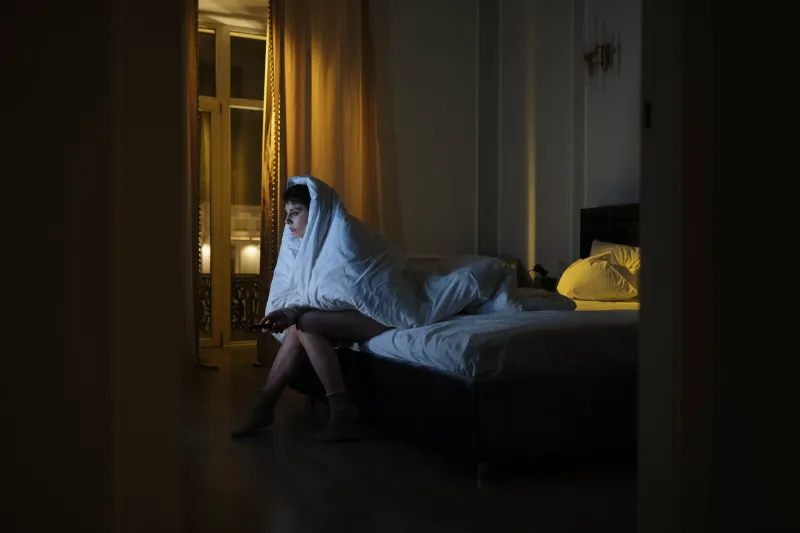
Here's where the conversation gets nuanced. Streaming didn't murder the late-night theater experience — it just gave people an extremely convenient alternative at the exact hour when the friction of going out feels highest. Think about it: after 9 PM, you've already eaten dinner, you're in comfortable clothes, and the idea of finding parking and paying $18 for a ticket requires active motivation that simply didn't exist before Netflix became a verb.
Streaming services have effectively colonized the "I want to watch something tonight" impulse that used to send people to the 10 PM show. The late-night slot was always the most impulse-driven, least-planned segment of the moviegoing week. It was where you went when dinner ran long and you weren't ready to go home. That behavioral niche has been almost entirely absorbed by the couch-plus-streaming combo.
What's left at the multiplex after 10 PM tends to be highly intentional — people who specifically want the theatrical experience for a specific film. And that's actually a clue about what might work.
What Studios and Chains Are Actually Testing
The industry isn't sitting still on this. Several strategies are emerging, some more promising than others.
Premium format late-night events are getting serious traction. IMAX, Dolby Cinema, and PLF (Premium Large Format) screenings scheduled after 10 PM have shown notably better occupancy rates than standard auditoriums during the same window. The logic is straightforward: if you're going to make the effort, you want an experience your TV genuinely cannot replicate. A 10:30 PM IMAX showing of a visually ambitious blockbuster hits differently than the same film in a standard auditorium, and audiences are responding to that.
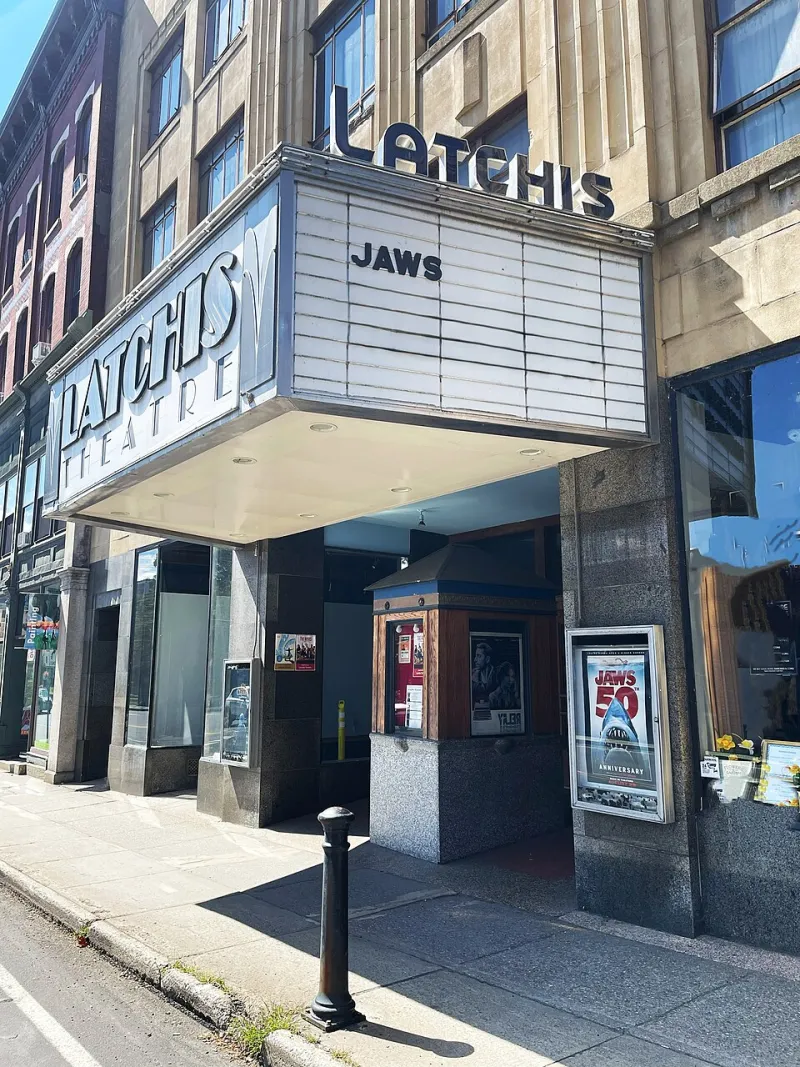
Event-style programming is another lever being pulled. Fathom Events and similar companies have demonstrated that themed screenings — anniversary showings of classics, director Q&As, marathon double features — pull crowds at hours when regular programming fails. A 10 PM screening of The Godfather with a pre-show discussion draws a genuinely enthusiastic audience that would never show up for a random Tuesday night showing of a new release.
Dynamic pricing is the controversial one. Several major chains have been quietly testing reduced ticket prices for late-night weekday showings, essentially treating the 10 PM slot the way airlines treat off-peak flights. Early data suggests it moves the needle on attendance, but operators worry about training audiences to expect discounts and devaluing the theatrical experience further.
Some chains are also experimenting with private auditorium rentals — essentially letting groups book an entire late-night showing for a flat fee. It's a model that works beautifully for birthday parties, corporate events, and film club gatherings. It doesn't solve the broader attendance problem, but it converts a near-empty auditorium into a reliably revenue-positive one.
The City That Never Sleeps Has a Late-Night Theater Problem Too
New York is an interesting case study precisely because of its 24-hour identity. You'd think a city famous for operating around the clock would be a late-night moviegoing paradise. And historically, it was — the midnight movie culture that birthed Rocky Horror and gave cult cinema its backbone was largely a New York phenomenon.
But today, even in Manhattan, late-night multiplex attendance struggles. The theaters that do hold up after 10 PM tend to be the ones that have leaned into programming identity — the Angelika, the IFC Center, the Film Forum all maintain late-night credibility because they've cultivated audiences who see attending as participation in something, not just consumption. The big chains in Times Square and on the Upper West Side don't have that same gravitational pull once the evening rush clears.
The lesson from New York might be the lesson for the whole industry: late-night audiences don't want to be passive consumers. They want to feel like they're part of a scene.
What Actually Gets People Off the Couch After 10
Talk to theater operators long enough and a consistent picture emerges. The late-night audience that still shows up reliably tends to be younger (18-34), highly engaged with film culture, and specifically motivated — they're there for a reason, not by default. They respond to scarcity (limited engagement screenings), spectacle (premium formats), and community (events with social elements).
What doesn't work anymore is simply scheduling a film and hoping the night owls show up. The passive late-night audience — people who just wandered in because they had nothing else to do — has largely been absorbed by streaming. What's left requires active cultivation.
That's actually not a death sentence for late-night cinema. It's a creative challenge. The theaters that figure out how to make 10 PM feel like an event rather than an afterthought are the ones holding their own in the data. The ones still running the same playbook from 2012 are the ones with the ghost-town lobbies.
The screens are still on. The question is whether Hollywood is willing to do the work to fill the seats standing in front of them.