Already Seen It, Still Choosing It: The Surprising Reason Familiar Films Are Beating New Releases

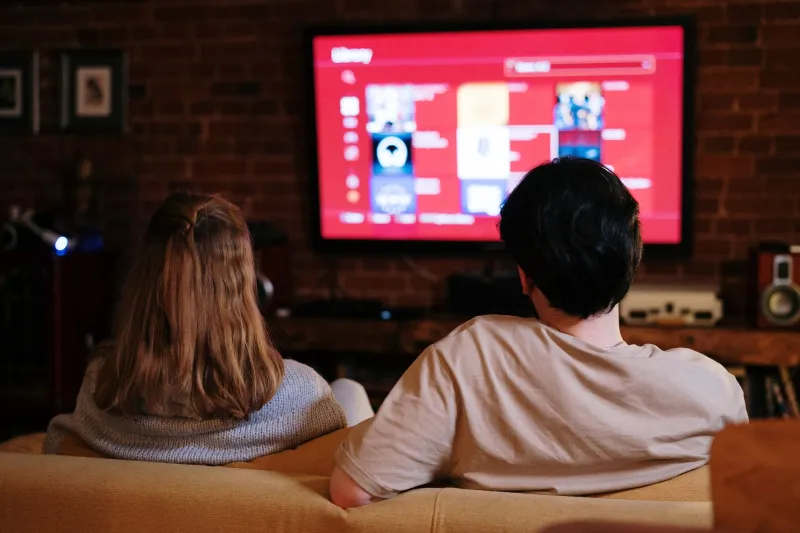
There's a moment that happens in living rooms across America practically every evening. Someone opens Netflix, or Hulu, or Max, scrolls for a solid ten minutes through a catalog that could genuinely fill a lifetime of viewing — and then navigates straight to The Dark Knight or Clueless or Goodfellas. Something they've seen before. Probably more than once.
This isn't an accident. It isn't even a guilty pleasure. For a growing number of viewers, the deliberate rewatch has become the default mode of streaming. And the numbers back it up.
The Data Nobody Wanted to Talk About
Streaming platforms don't love broadcasting rewatch statistics. Their pitch to Wall Street depends on the promise of endless fresh content driving subscriber growth. But when analysts dig into actual viewing behavior, the picture looks a lot less shiny.
Parrot Analytics and similar measurement firms have repeatedly found that catalog titles — older films and shows audiences already know — consistently outperform new releases in terms of total viewing hours. One internal study reportedly found that a significant chunk of viewing on major platforms in any given week comes from content that's been available for more than two years. Meanwhile, studios are spending hundreds of millions developing originals that spike for a weekend and disappear.
The uncomfortable truth the industry is slowly digesting: familiarity isn't a bug in viewer behavior. It might be the whole operating system.
Your Brain Wants a Sure Thing
Dr. Pamela Rutledge, a media psychologist and director of the Media Psychology Research Center, has spent years studying why audiences return to content they've already consumed. Her explanation cuts straight to the core.
"When you rewatch a film you love, you're not really watching it to find out what happens," she explains. "You're watching it to feel something specific that you already know is there. It's emotional certainty. And emotional certainty is incredibly valuable when the rest of your life feels uncertain."
That framing recontextualizes the rewatch habit entirely. It's not about avoiding new things — it's about seeking a guaranteed emotional outcome. A first-time viewing is a gamble. You might love it, you might hate it, you might feel nothing. A rewatch is a reservation at a restaurant where you already know every item on the menu and you've never had a bad meal.
This dynamic gets amplified by something behavioral economists call decision fatigue. By evening, after a full day of choices — what to eat, what to say in that email, whether to take the highway or side streets — the cognitive machinery that evaluates new options is genuinely depleted. The mental effort required to assess an unfamiliar two-hour film becomes disproportionately heavy. Choosing something familiar isn't laziness. It's a rational response to a drained decision-making engine.
The Streaming Catalog Paradox
Here's the cruel irony at the heart of the modern streaming experience: the more content platforms add, the harder it becomes to choose anything new — and the more appealing the familiar becomes.
Psychologists call this the paradox of choice. When options multiply beyond a certain threshold, the anxiety of potentially making the wrong selection increases. You start to feel the weight of everything you're not watching. A catalog with 10,000 titles doesn't feel like abundance. It feels like pressure.
Filmmakers and distributors are starting to reckon with what this means for new releases. Breaking through isn't just a marketing problem anymore. It's a neurological one. A new film has to compete not just with other new films, but with the entire emotional archive of everything a viewer has ever loved.
"You're asking someone to invest two hours in an unknown quantity," says streaming analyst Julia Souza, who tracks content performance for independent distributors. "And the ask feels bigger than it used to because the alternative — something they already know they love — is right there. One click away. No risk."
Nostalgia as a Feature, Not a Flaw
There's another layer here that goes beyond pure psychology: nostalgia is doing serious cultural work.
Rewatching a film isn't just about the movie itself. It's about the version of yourself that first watched it. The college apartment where you saw Pulp Fiction for the first time with your roommates. The rainy Saturday afternoon when you discovered Singin' in the Rain with your mom. Films become anchored to specific moments in personal history, and revisiting them is a way of briefly inhabiting that history again.
In an era when American culture feels fragmented and relentlessly forward-moving, the rewatch functions as a small act of self-continuity. It says: I am still the person who loves this movie. That's not nostalgia as escapism. That's nostalgia as identity maintenance.
This is also why legacy sequels and franchise revivals keep getting greenlit despite mixed critical reception. Studios aren't just selling a new story. They're selling a return ticket to a feeling audiences have already proven they want to revisit.
What This Means for New Filmmakers
The comfort rewatch paradox creates a genuine structural challenge for emerging voices in cinema. If audiences are gravitating toward the familiar, how does a debut feature from a first-time director ever find its footing?
The answer, increasingly, seems to involve community. Films that break through in the streaming era often do so because a specific audience makes them familiar through social amplification — TikTok clips, Twitter discourse, Reddit deep-dives. A movie becomes rewatchable before it's technically been rewatched, because enough people have talked about it that it already feels like shared cultural property.
Everything Everywhere All at Once is the clearest recent example. It didn't just find an audience. It built a community of repeat viewers who treated it like a cult classic from the moment it dropped. The discourse around the film created the emotional investment that usually only comes from prior viewership.
"The new path to rewatch status is building that sense of familiarity before someone even presses play," Souza notes. "If a film feels like it's already part of the culture, it bypasses some of that first-watch anxiety."
The City That Never Settles
For a platform like 212Movie — built around the idea that cinema is as alive and restless as New York itself — the comfort rewatch paradox is genuinely fascinating territory. Because New York is a city that also lives in its own mythology. People move here partly because they've seen it in movies. They walk streets that feel familiar before they've ever visited. The city has been rewatched before it's been experienced.
Maybe that's the most honest thing cinema does. It creates familiarity. It manufactures the feeling of having been somewhere, felt something, known someone. And once it's done that work, audiences will keep coming back to feel it again.
New releases will always matter. Discovery is still one of the genuine joys of being a film lover. But the next time you skip past fifty new titles to land on something you've already seen? Don't call it a guilty pleasure. Call it exactly what it is: a completely rational, deeply human choice.